%20(1).jpeg)

Millions of people are making the viral cortisol cocktail hoping it will lower stress hormones, improve energy, and "heal" their adrenal glands. The problem? No clinical study has shown the classic orange juice, coconut water, and salt recipe lowers cortisol.
Those ingredients provide fluid, carbohydrate, vitamin C, sodium, and potassium. You may feel better after drinking it when you were dehydrated, under-fueled, or using it instead of another coffee. A measured hormone effect has not been established.
The useful question is whether the drink fills a real nutrition or hydration gap for you. That answer depends on the recipe, your health, your medications, and what the drink replaces.
Do cortisol cocktails work
The DIY cortisol cocktail works as a hydration and nutrient drink. No clinical trial identified in our evidence review tested the full orange juice, coconut water, and salt recipe and showed that it lowers cortisol, treats an adrenal disorder, or causes weight loss.
Its likely benefits come from fluid, quick carbohydrate, vitamin C, sodium, and potassium. Those effects may matter when you have not eaten or hydrated well. They do not confirm that your cortisol changed.
What is a cortisol cocktail?
A cortisol cocktail is a homemade citrus and electrolyte drink promoted for stress, fatigue, and adrenal support. It is also called an adrenal cocktail or cortisol mocktail.
The classic version uses orange juice, coconut water, and salt. Some recipes add cream of tartar for potassium or a magnesium powder. Recipes vary widely, so the sugar, sodium, potassium, and supplement dose can change from one glass to the next.
The name creates an expectation that the drink acts on cortisol. Medical reviews from Cleveland Clinic and Baylor Scott & White describe the evidence as hydration and nutrition support rather than a proven cortisol treatment.
What is in a common cortisol cocktail recipe?
A common recipe uses equal parts orange juice and coconut water with a small pinch of salt. Magnesium and cream of tartar are optional additions, not required parts of one standardized formula.
For recipe variations and practical substitutions, the adrenal cocktail guide explains how the classic drink is usually made.
What can the drink realistically do?
The drink can support hydration and nutrient intake when it fills a real gap. Orange juice and coconut water contribute fluid and carbohydrate, while salt contributes sodium.
A short-term energy lift can follow when you drink it after skipping a meal or going too long without food. That response reflects carbohydrate intake. It does not show that your adrenal glands were “repaired.”
Replacing an extra coffee, energy drink, or alcoholic drink may also change how you feel. The replacement matters as much as the recipe itself.
Ingredient by ingredient: what the evidence supports
Each ingredient has a real nutrition role, but evidence for separate nutrients does not prove that the combined recipe lowers cortisol. The table keeps those claims in the right category.
USDA food nutrient data can help you check the nutrition values for the exact orange juice and coconut water you use. Brand, serving size, and added ingredients change the totals.
Does the cortisol cocktail lower cortisol?
Current evidence does not show that the standard recipe lowers cortisol. Our search did not identify a controlled trial comparing the full drink with a placebo and measuring cortisol before and after use.
A personal before-and-after post cannot isolate the drink’s effect. Sleep, meals, caffeine, alcohol, physical activity, illness, medication, time of day, and expectations can all change how someone feels or how cortisol is measured.
Cortisol also has a normal daily rhythm. The broader cortisol is not the enemy guide explains why a lower number is not always the goal.
What cortisol cocktail reviews can tell you
Reviews can tell you about taste, convenience, fullness, hydration, and subjective energy. They cannot confirm a cortisol change unless the experience is tested with a suitable clinical design.
A week-long or month-long experiment may still be useful to the person doing it. Treat it as a personal observation, not evidence that the same result will occur for you.
Can the drink help with stress or anxiety?
A cortisol cocktail may feel calming as part of a regular break or meal routine. Research has not established that the drink itself treats anxiety or lowers stress hormones.
Making a drink, sitting down, and stepping away from work can reduce the immediate sense of pressure. Replacing excess caffeine may also reduce jitteriness for people who are sensitive to it.
Those are practical routine effects. Persistent anxiety, panic, sleep disruption, or daily distress deserves care that addresses the cause rather than relying on one beverage.
Does the cortisol cocktail help with weight loss?
No direct evidence shows that a cortisol cocktail causes weight loss. Orange juice and coconut water contribute calories and naturally occurring sugar, so the drink should be counted as food rather than calorie-free hydration.
Stress can influence appetite and eating patterns, but a single drink cannot override the larger effects of diet, sleep, physical activity, medications, and overall health.
Weight change depends on the larger eating pattern, activity, sleep, medications, health conditions, and the drink it replaces. Swapping a higher-calorie beverage for a smaller recipe could lower daily intake. Adding it on top of the same meals increases intake.
For a closer look at stress, appetite, and body weight, stress and weight loss explains why cortisol is only one part of the picture.
Is adrenal fatigue a real diagnosis?
Adrenal fatigue is not a recognized medical diagnosis. A 2016 systematic review found no substantiation for the condition after reviewing the available literature.
Adrenal insufficiency is a real endocrine disorder in which the body does not make enough cortisol. It requires clinical testing and medical treatment. Persistent fatigue can also come from sleep disorders, anemia, thyroid disease, depression, infection, medication effects, low energy intake, and many other causes.
If fatigue keeps returning or affects daily function, ask a clinician to investigate it. The adrenal fatigue review supports using a more accurate explanation than adrenal exhaustion.
Cortisol cocktail side effects and daily-use risks
Daily use can add meaningful sugar, sodium, potassium, or supplemental magnesium. The safety question depends on the recipe and your health history.
Sugar and blood glucose
Orange juice and coconut water contain naturally occurring carbohydrate. A person with diabetes, insulin resistance, reactive hypoglycemia, or a glucose-lowering medication may respond differently from someone without those concerns.
Sodium and blood pressure
A small pinch of salt may be minor within an otherwise moderate-sodium diet. More salt, larger servings, or several electrolyte products in the same day can change the total. People managing high blood pressure, heart disease, edema, or a sodium restriction should check the recipe with their clinician.
Potassium and kidney function
Healthy kidneys help regulate potassium. Some people with chronic kidney disease cannot remove extra potassium effectively, and several medicines can raise potassium levels. NIDDK provides specific potassium guidance for CKD.
Supplemental magnesium
Magnesium from food and magnesium from supplements are handled differently in safety guidance. Higher supplemental doses can cause diarrhea, nausea, and abdominal cramping, and magnesium can interact with some medicines. Review the product label and the NIH magnesium safety guidance before adding a powder.
Who should talk to a clinician first?
Ask for individualized advice when the drink changes a nutrient your care plan already monitors. This includes blood glucose, sodium, potassium, fluid, or supplemental magnesium.
- Diabetes or insulin resistance: juice can raise blood glucose.
- Kidney disease: potassium and fluid targets can differ by stage and treatment.
- High blood pressure or heart disease: extra sodium or fluid may conflict with the care plan.
- Pregnancy or breastfeeding: check any added magnesium or botanical ingredients with the care team.
- Medication use: ask about medicines that affect potassium, blood pressure, blood glucose, or kidney function.
How can you tell if your cortisol is high?
Symptoms alone cannot confirm high cortisol. Fatigue, poor sleep, weight change, anxiety, and a puffy face have many possible causes.
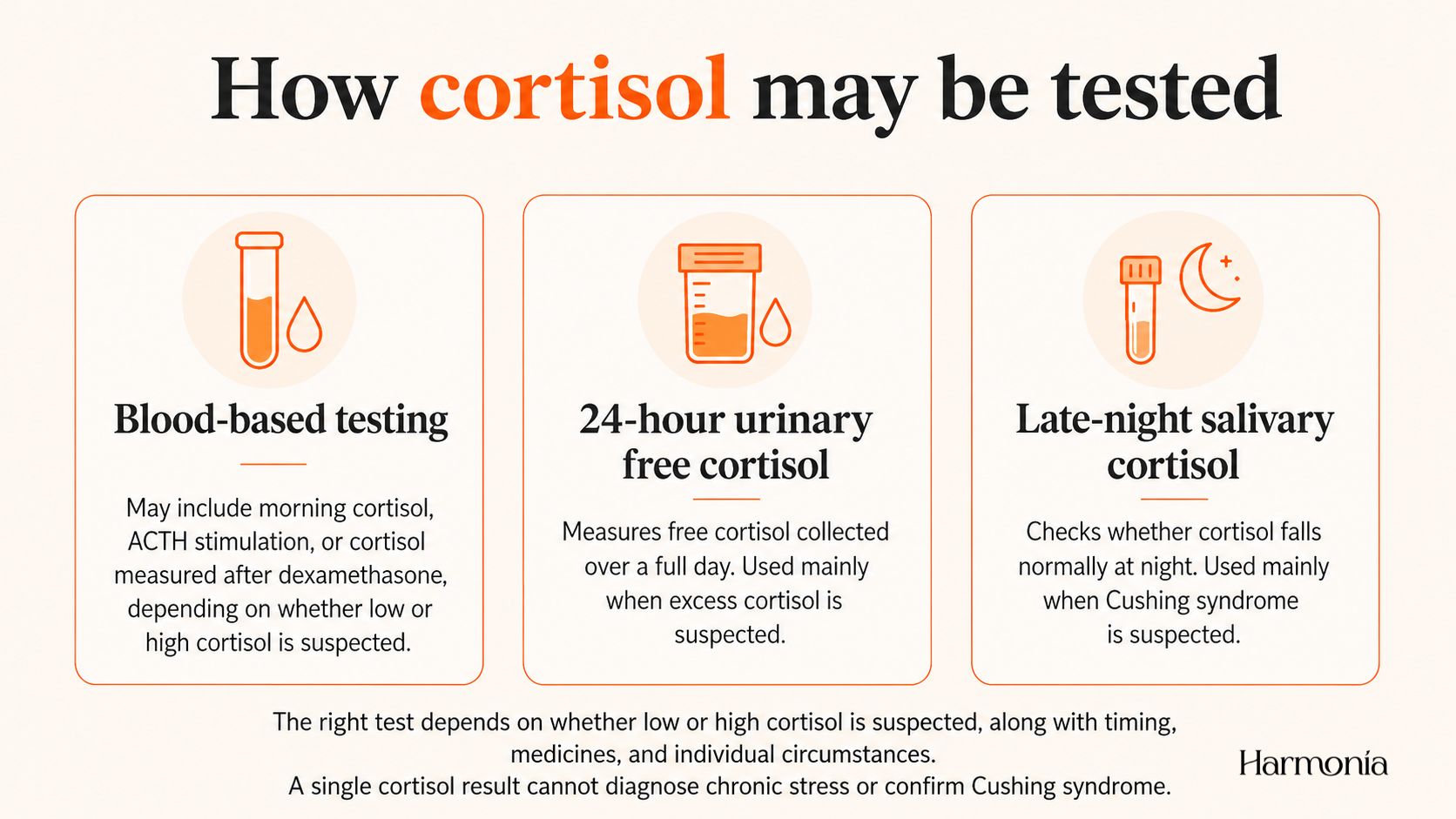
MedlinePlus explains that cortisol can be measured in blood, urine, or saliva. The right test depends on the suspected condition, the time of collection, medication use, and the broader symptom pattern. Read the cortisol test guidance for the basic test types.
When Cushing syndrome is suspected, the Endocrine Society recommends validated screening approaches such as late-night salivary cortisol, 24-hour urinary free cortisol, or dexamethasone suppression testing. A random result from a wellness panel cannot replace that evaluation.
What supports long-term stress regulation?
Long-term support starts with the conditions that shape your stress response every day. Sleep timing, enough food, regular movement, caffeine and alcohol habits, mental health care, and treatment of medical conditions all matter.
A drink can sit inside that routine. It cannot carry the routine by itself. The practical guide to how to lower cortisol ranks daily habits by the quality and context of the evidence.
Seek medical care when fatigue, weakness, bruising, rapid weight change, severe anxiety, fainting, vomiting, or other persistent symptoms do not improve. Those patterns need assessment, not another recipe.
A lower-sugar version, if you enjoy the ritual
You can keep the flavor and reduce the juice portion. Use a splash of orange juice, unsweetened coconut water, plain or sparkling water, and a small pinch of salt only when it fits your sodium needs.
Skip extra sweeteners. Avoid adding cream of tartar or magnesium automatically. Choose those additions only when you have a clear reason, a suitable dose, and no conflict with your health or medications.
Treat the result as a flavored hydration drink. Your body does not need a fixed-length cleanse, as the cortisol detox guide explains.
Where Harmonia fits
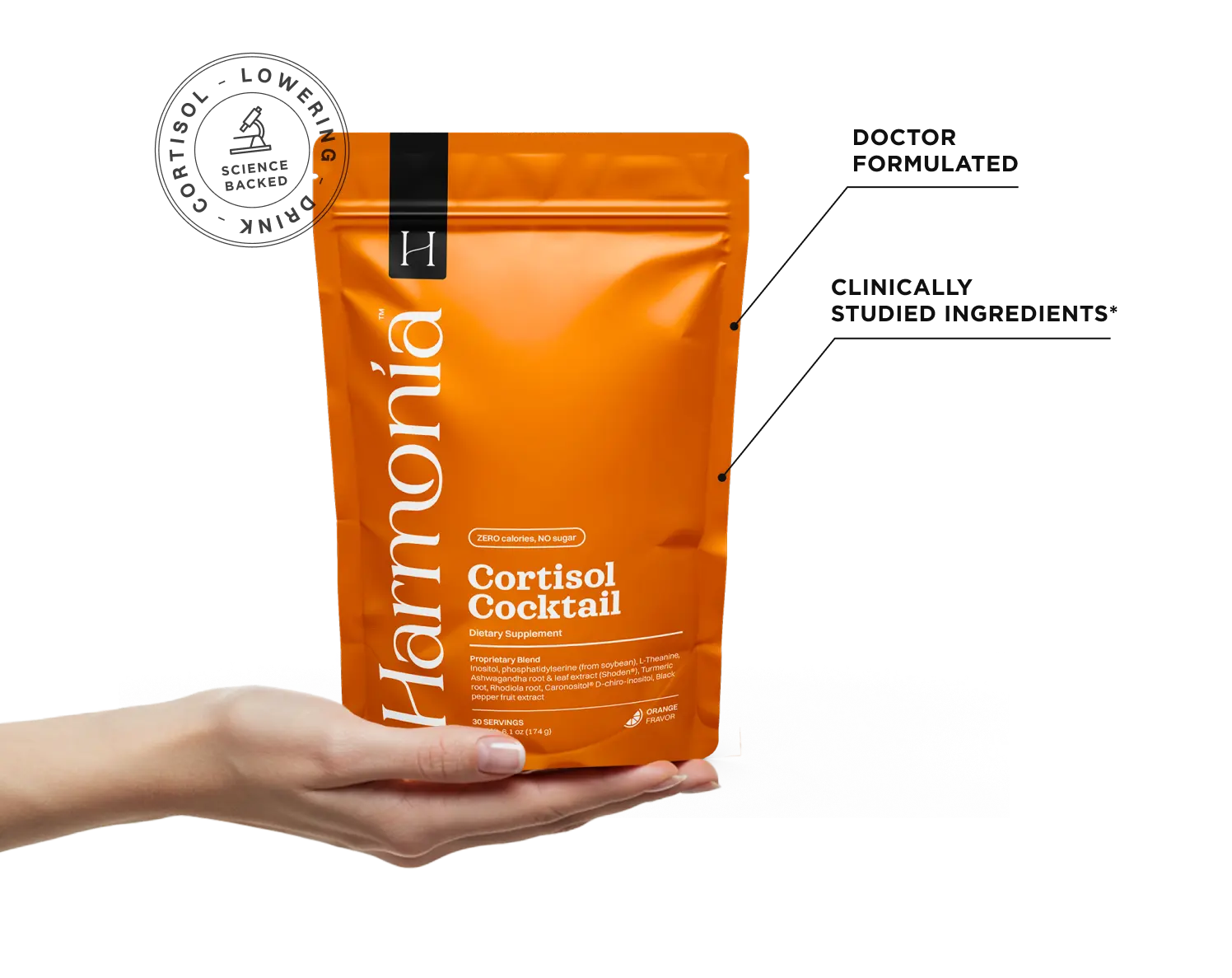
Despite sharing a similar name, the DIY cortisol cocktail and the Harmonia Cortisol Cocktail are designed for different purposes.
A homemade cortisol cocktail is best viewed as a hydration and nutrition drink. Orange juice, coconut water, and salt provide fluid, carbohydrate, electrolytes, and vitamin C, which can be helpful if you've been under-fueled or dehydrated. Current research, however, has not shown that the recipe itself lowers cortisol or treats stress-related health conditions.
Harmonia takes a different approach. Instead of focusing on hydration, it combines ingredients that have been individually studied for supporting the body's response to everyday stress, including KSM-66® ashwagandha, rhodiola rosea, L-theanine, phosphatidylserine, myo-inositol, magnesium, vitamin C, and B vitamins.
That doesn't mean Harmonia "balances cortisol" or replaces medical care. Like every dietary supplement, it should be viewed within the limits of the available evidence and used alongside healthy sleep, balanced nutrition, regular movement, and appropriate medical evaluation when symptoms are persistent or severe.
The bottom line
_11zon.jpeg)
The DIY cortisol cocktail is best understood as a flavored hydration drink. It can provide fluid, carbohydrate, vitamin C, sodium, and potassium. Clinical research has not established that the full recipe lowers cortisol, treats adrenal disease, or causes weight loss.
Use it when the ingredients fit your diet and health needs. Persistent fatigue, weight changes, blood-pressure changes, muscle weakness, severe anxiety, or other ongoing symptoms deserve a medical evaluation.
If chronic stress has been your baseline and you want to see whether the Harmonia Cortisol Cocktail fits your routine, take the quiz.
References
- Cleveland Clinic. (2025). Cortisol cocktail: What is it and does it work? Cleveland Clinic Health Essentials. Link
- Baylor Scott & White Health. (2025). The cortisol cocktail: What it is, how to make it and whether it really works. Link
- Cadegiani, F. A., & Kater, C. E. (2016). Adrenal fatigue does not exist: A systematic review. BMC Endocrine Disorders, 16, 48. Link
- MedlinePlus. Cortisol test. U.S. National Library of Medicine. Link
- Endocrine Society. Diagnosis of Cushing’s syndrome guideline resources. Link
- NIH Office of Dietary Supplements. Magnesium: Fact sheet for health professionals. Link
- National Institute of Diabetes and Digestive and Kidney Diseases. Healthy eating for adults with chronic kidney disease. Link
- Chandrasekhar, K., Kapoor, J., & Anishetty, S. (2012). A prospective, randomized double-blind, placebo-controlled study of the safety and efficacy of a high-concentration full-spectrum extract of ashwagandha root in reducing stress and anxiety in adults. Indian Journal of Psychological Medicine, 34(3), 255–262. Link
- NIH Office of Dietary Supplements. Ashwagandha: Is it helpful for stress, anxiety, or sleep? Health professional fact sheet. Link
- U.S. Department of Agriculture, Agricultural Research Service. FoodData Central. Link